
In the fast-paced world of residential design, staying ahead of the curve isn't just about talent—it's about the tools you use and how effectively you wield them. Recently, the Chief Experts team returned from the annual Chief Architect training event in Coeur d'Alene, Idaho, and the takeaways from this year's gathering are transformative for any designer looking to sharpen their skills. In this epsiode of the Designers Show, chief experts unpacked the best practices, workflow shortcuts, and technical gems discovered at the event.
The Power of the Community Feedback Loop
One of the most inspiring aspects of the Coeur d'Alene event is the direct line of communication between power users and the Chief Architect development team. The experts emphasized that this isn't just a passive training session; it’s an active laboratory where user feedback directly influences future updates. If you have ever wondered if your suggestions matter, the team confirmed that features are often prioritized and implemented based on the volume and value of user requests (5:13).
Workflow Hacks: Speed Up Your Design Process
The team shared several "worth the price of admission" tips that can shave hours off your weekly production time:
- The S-Key Mastery: Often misunderstood, the 'S' key is your best friend for manual dimensioning (20:12). By holding it down while dragging your dimension tool, you can skip over specific objects like windows or doors, ensuring your dimension strings remain clean and organized without picking up unwanted snap points (20:44).
- The Middle Mouse Button: Forget searching for complex point-to-point tools. Using your middle mouse button for snapping can significantly streamline how you position objects within your floor plan (19:37).
- Advanced Stretch Planes: For those creating custom 3D symbols, understanding how to apply stretch planes is vital. Instead of manually resizing components, you can define specific planes that allow you to stretch a symbol—like a column or a custom lintel—without distorting the surrounding geometry (26:22).
Professional 3D Rendering & Material Techniques
Visual communication is the heartbeat of client approval. The experts highlighted a key best practice for the Material Builder tool: ensure your image dimensions reflect the real-world size of the tiles or materials you are importing (10:44). Furthermore, utilizing the newly highlighted "Extend to Horizon" terrain feature adds an incredible layer of depth to your 3D camera views, making your presentations feel more professional and immersive (37:13).
Optimization: Keeping Your System Running Smoothly
Beyond design tricks, the show offered crucial technical advice for maintaining peak software performance:
- Nvidia Driver Management: Instead of hunting through general settings, use the Help > System Information menu (23:38). The team recommended using Game Ready drivers for the best stability and performance with Chief Architect's rendering engine (24:28).
- Room Label Customization: With recent updates to label handling, designers can now leverage text macros to automatically abbreviate room names based on the size of the room, preventing cluttered floor plans and ensuring your documentation remains legible regardless of room size (47:05).
Stay Connected and Keep Learning
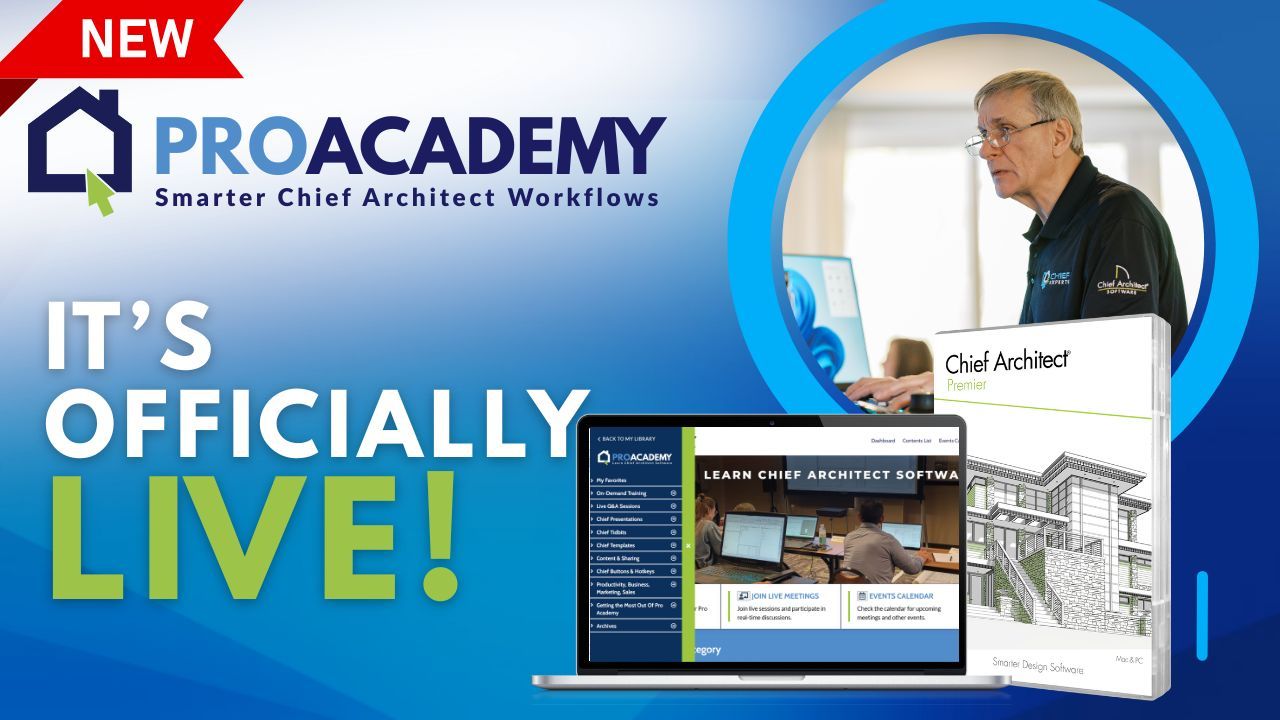
The Chief Experts community is dedicated to helping you master these tools. Whether it’s through the Pro Academy or live upcoming live training sessions in Denver (October 5–8, 2026) and Bloomington, MN (October 26–29, 2026), there is always a new way to optimize your workflow.
For more in-depth tutorials and to see these tips in action, be sure to visit ChiefExperts.com or check out the Rabbit Design resources for additional coaching. The software is constantly evolving, and the most successful designers are those who make learning a continuous part of their professional journey.